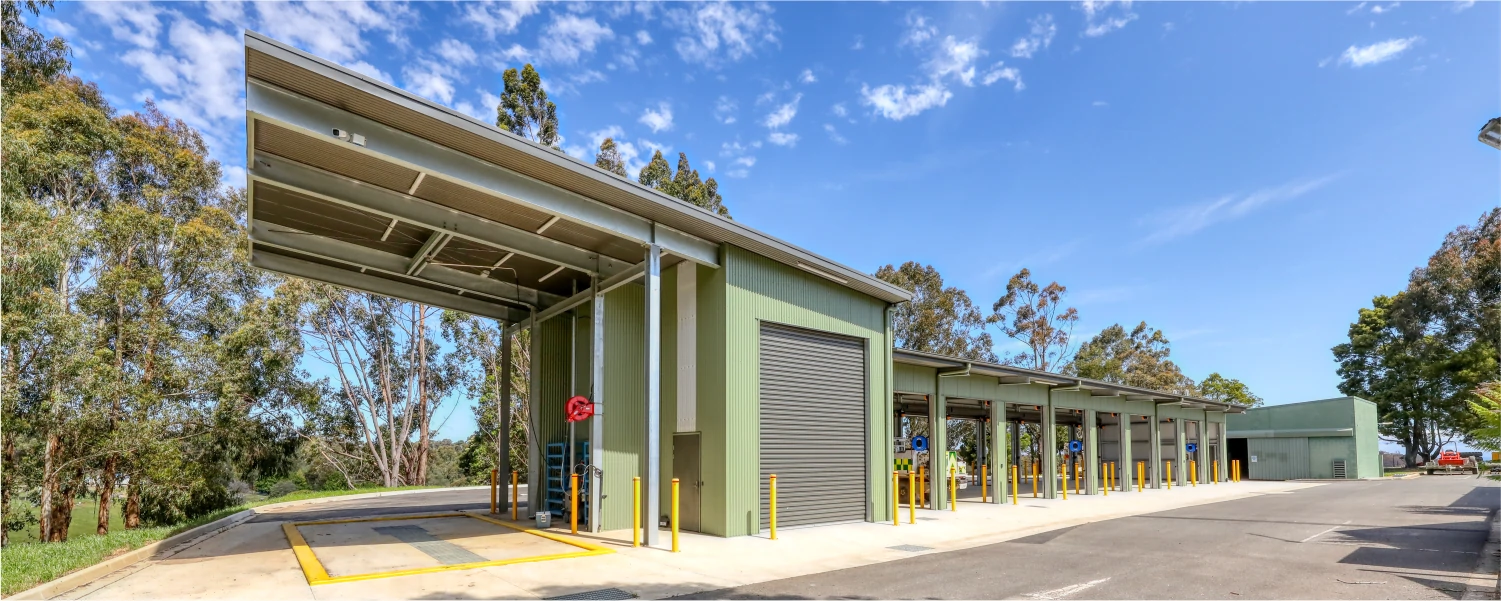
The execution of public works and civic infrastructure involves operational hurdles that standard commercial projects rarely encounter. Procurement officers, local council asset managers, and state government planners operate under intense public scrutiny. Every project must balance strict regulatory oversight, inflexible capital budgets, community expectations, and the logistical challenge of constructing within public spaces.
When managing public infrastructure upgrades, such as regional community facilities, water assets, or local government minor works, success requires more than standard project management capabilities. It demands an experienced civil construction company that understands how to manage strict regulatory environments, mitigate live environment risks, and maintain absolute transparency from the initial tender to final handover.
With more than 28 years of delivery experience across Victoria and Queensland, Kubale Constructions has established itself as a trusted partner for regional councils and state departments. This comprehensive guide outlines the critical operational benchmarks required to successfully deliver modern civic assets without compromising public safety or project timelines.
1. Mitigating Risk in Live Public Environments
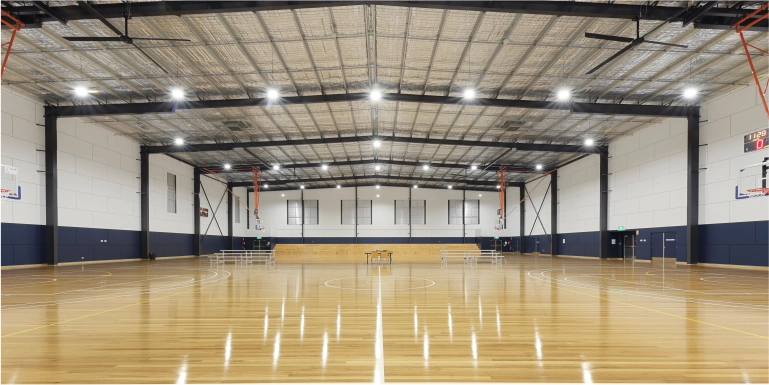
Constructing or expanding public assets while keeping them operational is one of the most complex challenges faced by regional council infrastructure contractors. Kubale Constructions has extensive experience in live environments, such as the Warragul Leisure Centre expansion project, delivering specialised facilities for government departments like DEECA (formerly DELWP), and live-public environments such as the Boronia Central retail precinct. These construction zones must be treated as highly dynamic risk environments.
Balancing Public Access & Active Construction
To safely deliver an infrastructure asset without disrupting the surrounding community, site footprints must be strategically split into two distinct, strictly monitored spaces:
- The Active Public Zone: Designed for uninterrupted community use. Operations focus entirely on maintaining clear, hazard-free pathways for pedestrians, visitors, staff, and general public vehicles. Allowance must be maintained for commercial interests like advertising and sight-lines, and considerations for continuous disabled access.
- The Civil Work Zone: The isolated construction footprint. This area is dedicated to heavy physical operations, including structural piling, deep excavation, and machinery movement.
Further complicating matters, these zones can be fluid at times to accommodate changes in public demand, stages of the project, specific trade requirements, or even unforeseen or emergency circumstances.
Integrated Control Overlays
To keep these zones safely separated, professional contractors implement a layer of operational controls. This includes scheduling heavy deliveries for out-of-hours windows, maintaining continuous structural vibration and acoustic monitoring, deploying multilingual traffic control teams, and conducting daily shared utility clearances before works commence or continue.
Strategic Staging and Public Safety
Maintaining public access requires rigorous, multi-stage programming. Rather than closing down a site, civil construction companies must divide the project footprint into precise, isolated zones.
- Physical Separation: High-density structural hoarding, acoustic curtains, and negative-pressure dust extraction systems are necessary to shield the public from physical hazards, noise, and airborne contaminants.
- Pedestrian & Traffic Logistics: Modifying a local council’s asset footprint often disrupts established traffic and pedestrian routes. Builders must implement dynamic traffic management plans that adapt daily to changing construction phases, ensuring clear signage, step-free community access, and dedicated spotters for all heavy machinery movements.
Continuity of Essential Services
Public infrastructure projects frequently interface with critical, live municipal services, including main drainage systems, commercial power feeds, and communication networks.
First-Hand Operational Insight: When expanding public amenities or regional asset hubs, accidentally disrupting utilities can impact entire local communities. A professional-tier contractor mitigates this risk by utilising advanced subsurface mapping, conducting out-of-hours utility cut-ins, and building redundant service loops directly into the project staging plan to guarantee uninterrupted utility access for adjacent public operations.
2. Navigating the Complexities of Government Compliance
Government-compliant commercial builders must navigate rigorous regulatory and compliance standards. Navigating federal, state, and local statutory frameworks requires administrative capability and strict site discipline.
The Three Tiers of Civic Compliance
To successfully deliver a public asset, compliance must be managed seamlessly across three distinct levels of government oversight:
- Tier 1: Federal & Industry Safety
- Focus: Office of the Federal Safety Commissioner (OFSC) accreditation guidelines.
- Action: Maintaining absolute site safety discipline, comprehensive hazard reporting, and strict subcontractor pre-qualification.
- Tier 2: State Regulations (VIC & QLD)
- Focus: Environmental and building authorities (e.g., DEECA, EPA, and state building regulations).
- Action: Managing complex geotechnical classifications, strict waste tracking, and compliance with updated modern building codes.
- Tier 3: Local Government Specifications
- Focus: Municipal Council Minor Works Panels.
- Action: Aligning asset delivery with specific council engineering standards, local community expectations, and regional asset management frameworks.
Safety and Industrial Relations
Public works construction companies across Victoria and Queensland must align their operations with state-specific safety codes and workplace relations policies. Contractors must maintain immaculate documentation records, including safe work method statements (SWMS), modern award compliance, and verified subcontractor credentialing via the Taxable Payments Reporting System (TPAR).
Environmental and Heritage Preservation
Civil infrastructure construction projects frequently occur near sensitive environmental corridors or heritage-listed precincts. Delivering structures in these areas requires additional specific controls:
- Siltation and Runoff Control: Implementing advanced sediment fences, coir logs, and settlement tanks to protect local waterways.
- Soil Management and Remediation: Managing complex geotechnical conditions, such as encountering Acid Sulphate Soils (ASS) or contaminated fill, requires strict adherence to EPA guidelines, waste tracking, and professional remediation techniques.
- Material Selection: Aligning procurement with modern government sustainability targets by sourcing low-carbon concrete, recycled polymers, and locally milled, sustainably grown timber.
3. Financial Transparency and Delivery Certainty
The civil infrastructure sector operates within a highly challenging fiscal landscape, characterised by fluctuating material inputs and tight margin pressures. For local governments, project cost overruns are not just financial issues; they represent direct risks to public funds. Achieving delivery certainty requires robust project management frameworks and open, honest communication.
By utilising integrated project management software, modern contractors link real-time site data directly with project administrative staff and council representatives. This structural transparency ensures that all variations, progress claims, and scheduling adjustments are backed by clear, data-driven evidence, eliminating unexpected financial surprises and ensuring accountability at every stage of the project.
4. Frequently Asked Questions (FAQs)
What are the primary qualifications needed for a contractor to secure a position on a local government minor works panel?
To secure a position on a local government minor works panel, contractors must demonstrate financial capacity, comprehensive public liability and workers' compensation insurance, and a verified third-party accredited Quality, Safety, and Environmental (QSE) management system. They must also show a proven track record of delivering public assets and possess deep experience navigating local government procurement processes.
Kubale Constructions can demonstrate all of these requirements and regularly submit fully compliant tenders to LGAs in both Queensland and Victoria.
How do civil infrastructure contractors manage public safety during high-risk demolition or excavation phases?
High-risk phases require absolute physical separation. Contractors implement engineered structural hoarding, utilise vibration-monitoring equipment to protect surrounding structures, deploy dust suppression systems, and schedule heavy haulage or structural piling during off-peak hours or school holiday periods to minimise interaction with the general public.
Our LGA clients always insist that contractors demonstrate clear plans and ability to protect public safety on their projects. We submit this evidence at the time of tender, and are typically audited and scrutinised during construction to ensure compliance.
How does working with regional council infrastructure contractors benefit regional economies?
Experienced regional contractors understand local environmental conditions, soil profiles, and regional supply chain logistics. Crucially, they support regional communities by utilising local subcontractors, fabricators, and material suppliers, keeping project investments within the local economy while ensuring rapid response times for ongoing maintenance and minor works.
Kubale Constructions intentionally recruits from the local community and invests sponsorship and other financial support for local sports clubs and community groups.
Over 28 Years of Proven Partnership with Public Authorities
Successful civic infrastructure isn't just built on concrete and steel; it is built on a foundation of long-term trust, reliable communication, and consistent performance.
Kubale Constructions has spent nearly three decades building meaningful relationships with regional councils and state departments, including the Baw Baw Shire and Latrobe City Council. Over 50% of our commercial and civil volume comes from repeat business, a result of our straight-talking approach, adoption of project technologies, and commitment to delivering what we promise with no surprises.
From large-scale sports facilities featuring complex geotechnical works to remote asset installations requiring excellent logistical coordination, our team brings the experience needed to navigate demanding public works programs across Victoria and Queensland.
Discuss Your Upcoming Infrastructure Pipeline
Are you preparing a public tender or looking for an experienced commercial partner for an upcoming civil project?
Contact the team at Kubale Constructions today or explore our government construction services to find out how our depth of experience and transparent project management systems can provide delivery certainty for your next public asset infrastructure project.