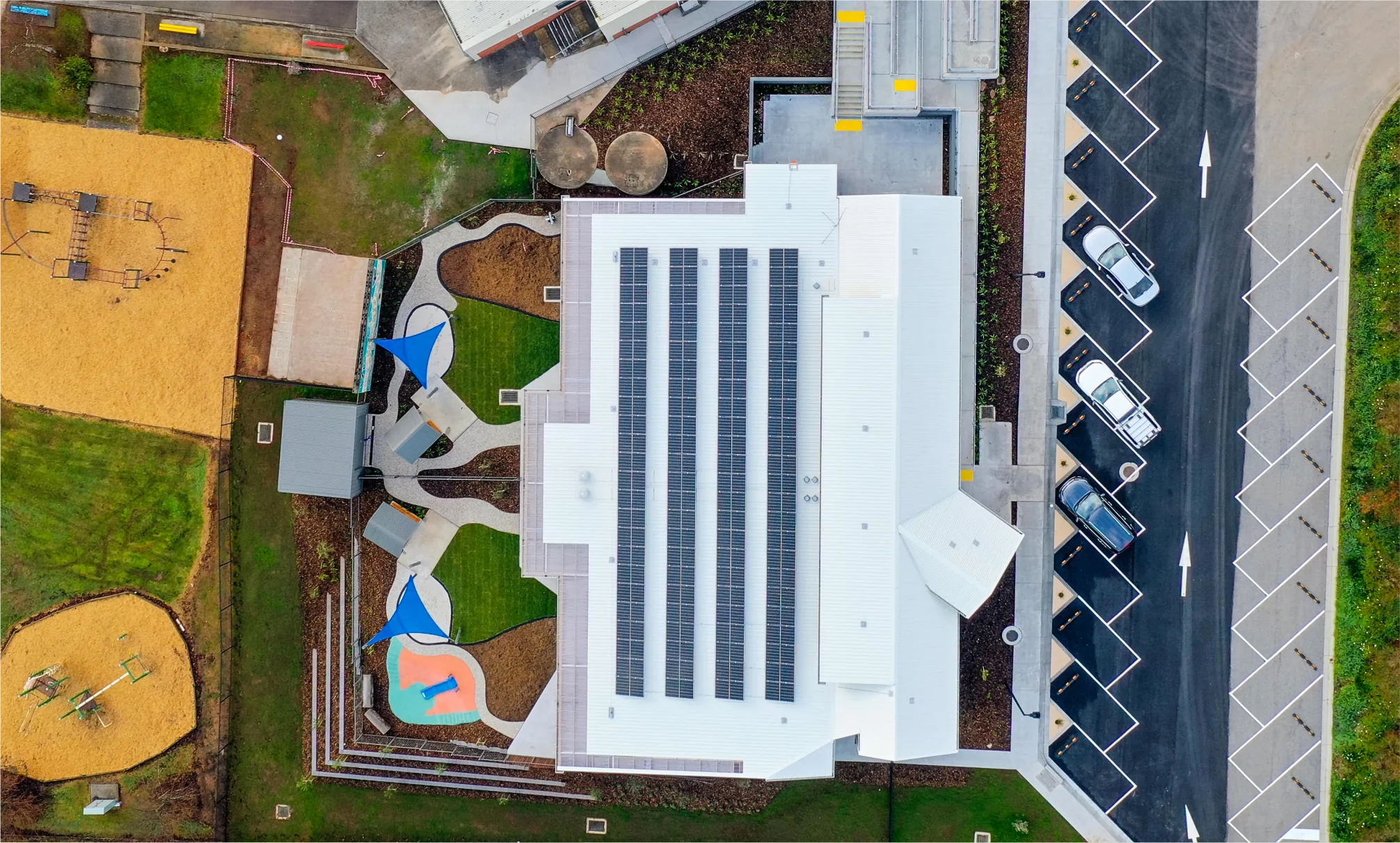
For school principals and business managers, the challenge is distinct and pressing: delivering 21st-century education within facilities designed for a previous era and dated delivery. The pedagogical shift from passive instruction to student-centred collaboration is well established, yet many Australian schools remain constrained by rigid floor plans, poor acoustics, and infrastructure designed for rows of desks rather than agile learning.
Modernising a school is not merely a construction project; it is an educational imperative. However, bridging the gap between an ambitious master plan and a strict capital works budget requires more than just a builder. It requires a strategic partner who understands that the physical environment acts as the third teacher.
Kubale Constructions specialises in education construction, delivering spaces that are as adaptable as the students who use them. This guide outlines the value of flexible learning environments and the best practices for navigating the complexities of building on a live campus.
1. The Evolution of Pedagogy: From Rows to Zones
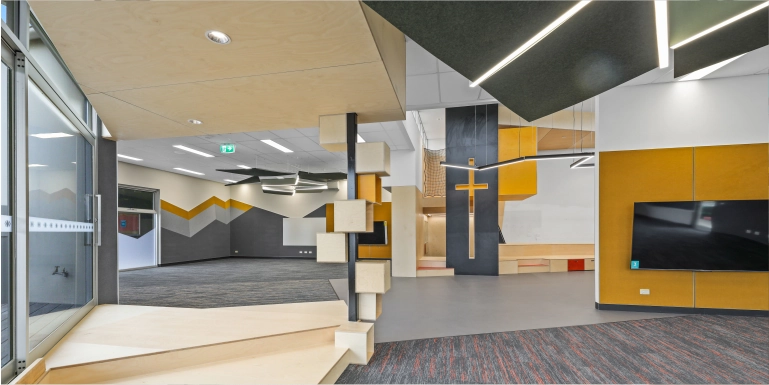
The traditional industrial-style classroom with the teacher at the front and students in rows is rapidly becoming obsolete. The National Curriculum now prioritises critical thinking, collaboration, and digital literacy. To support this, schools are transitioning toward Flexible Learning Environments (FLEs).
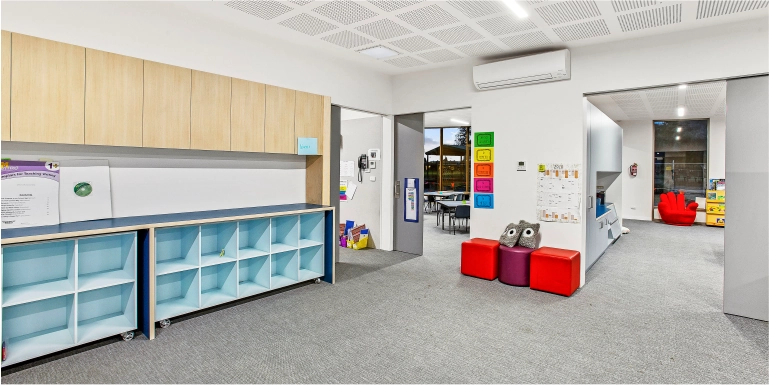
These spaces are characterised by distinct zones rather than static rooms: quiet nooks for deep work, breakout areas for small group collaboration, and tiered seating for direct instruction. For a commercial construction company, this shift fundamentally changes the build parameters. It is no longer about erecting four static walls; it is about creating operable boundaries and multi-functional zones.
We work closely with architects and school leaders to install high-performance operable walls and acoustic sliders. These systems allow a single large volume to be divided into three intimate learning spaces in minutes. The success of this design relies entirely on execution quality. If the acoustic seals are not installed with precision, the flexibility fails, and the space becomes unusable due to noise transfer. Kubale ensures that the hardware of your building effectively supports the software of your teaching.
2. Durability vs. Aesthetics: Built for the Bell Curve
Schools are high-traffic, high-impact environments. A visually striking architectural render is of little value if the finishes look tired after a single semester. The challenge for school boards is balancing the aesthetic appeal of a modern facility with the brutal reality of hundreds of students utilising the space daily.
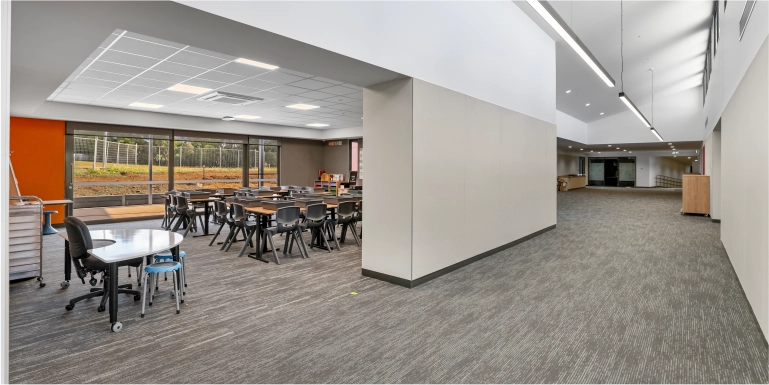
We advocate for a durability-first approach that does not compromise on design intent. In open-plan zones, noise transfer is the primary adversary of concentration. We are experienced with the installation of high-density acoustic panelling and baffled ceilings that absorb sound rather than reflecting it, ensuring that collaboration does not become chaos.
Flooring choices are equally critical. We recommend commercial-grade vinyl and carpet tiles that can withstand heavy foot traffic and are easily replaced individually if damaged, significantly reducing long-term maintenance costs. Similarly, in corridors and high-activity zones, we utilise high-impact plasterboard and protective wall coverings that resist knocks and scrapes, keeping recurring maintenance budgets in check.
3. Future-Proofing with Tech Integration
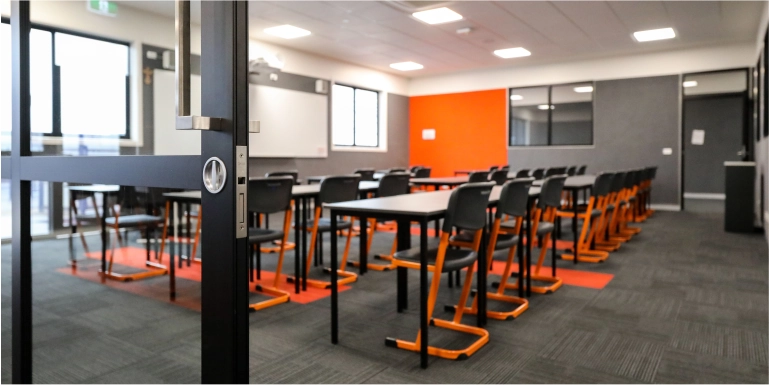
In modern education construction, technology cannot be an afterthought retrofitted at the end of the build. It must be embedded into the fabric of the building infrastructure. There is nothing more frustrating for a teacher than a purpose-built smart room with dead zones or insufficient power points.
Kubale Constructions engages early with our client’s IT department and electrical consultants to ensure the backbone infrastructure is robust. We do not just consider screen placement; we examine the data capacity required for the next decade. We ensure Cat-6A or fibre backbones are installed to handle increasing bandwidth demands.
Power distribution is another critical factor in flexible spaces. As desks move, power access must follow. We utilise floor boxes and overhead power reticulation to ensure students can connect devices anywhere in the room, untethering them from the perimeter walls. Furthermore, we integrate Audio Visual systems during the rough-in phase, ensuring cabling is concealed and user interfaces are intuitive for staff.
4. Safety in Live-Campus Environments
The primary concern for any principal embarking on capital works is student safety. Managing a construction site within an operational playground requires carefully considered logistics.
At Kubale, we operate as the invisible builder. We understand that your core business is education, and it cannot stop for construction. We implement rigorous safety protocols that exceed the National Construction Code (NCC) requirements.
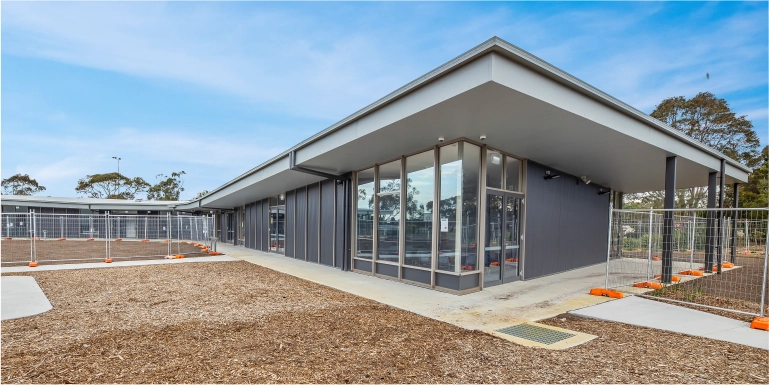
We install full-height, solid hoardings to create an impenetrable barrier between the construction zone and the student population as required. These are not merely temporary fences; they are safety firewalls that control dust, noise, and visual distraction.
Traffic management is managed with equal care. We schedule heavy material deliveries and crane lifts outside of drop-off and pick-up times. We employ professional traffic controllers to manage every vehicle movement near the school gates, ensuring complete separation between construction vehicles and pedestrian traffic. Every person on a Kubale education site, from the site manager to the casual labourer, must hold a valid Working with Children Check (WWCC). We maintain a live register on-site, auditable at any time.
5. Financial Transparency and Staged Delivery
Educational funding is often complex, involving a mix of public and private investment. Schools cannot afford cost blowouts or programme slippage.
We support school business managers with transparent, open-book project management. We identify long-lead items early in the tender phase to lock in pricing and prevent delays caused by supply chain volatility.
More importantly, we specialise in staged delivery. We understand that closing a whole wing is rarely an option. We break the project into manageable stages. This typically begins with decanting students into temporary learning spaces. We then isolate and upgrade the first section of the build. Once Practical Completion is achieved for that stage, we hand it back for occupation before moving to the next. This rolling programme ensures you maintain your classroom capacity throughout the build, minimising disruption to the academic timetable.
6. Conclusion
A new school building is a significant investment in the future of your students. It should facilitate better learning outcomes and stand the test of time. However, the journey to delivery should not detract from the education you are delivering today.
Kubale Constructions offers more than just building services; we offer a partnership that respects the unique rhythm of a school year. We balance the technical requirements of construction with the operational needs of pedagogy and student welfare.
If you are developing a master plan or preparing a grant application, contact Kubale Constructions. We are ready to discuss how we can bring your vision to life without disrupting the bell schedule.
7. Frequently Asked Questions
How do you manage noise during exam periods?
We build our construction programme around your academic calendar. We identify critical dates, such as NAPLAN, GAT or HSC/VCE exams, during the tender phase. During these specific windows, we schedule quiet works, such as painting or electrical fit-off, and halt all demolition or heavy machinery use. We maintain daily communication with the Principal to ensure silence is maintained when it is required most.
Can you work within government grant funding structures?
Yes. We are experienced in delivering projects funded by state capital works programmes. We provide the detailed financial reporting and milestone evidence required to acquire these grants, ensuring your funding compliance is never at risk.
What happens if we find hazardous materials like asbestos?
Many older Australian schools contain asbestos. We treat this as a managed risk rather than a surprise. We review the hazardous materials register and conduct thorough audits before commencing work. We engage licensed hygienists and removalists to remediate the area safely, often scheduling these works during school holidays to ensure zero risk to students or staff.
How do you handle site security after hours?
A school construction site can be a target for vandalism. We secure our perimeter with fencing and, where necessary, install temporary CCTV towers or motion-sensor lighting. We ensure our site does not compromise the security of the broader campus infrastructure.
Do you offer design-and-construct services for schools?
Yes. We can partner with education-specialist architects to offer a full Design and Construct (D&C) package. This early contractor involvement often saves schools significant capital, as we can value-manage the design for buildability and cost-efficiency.