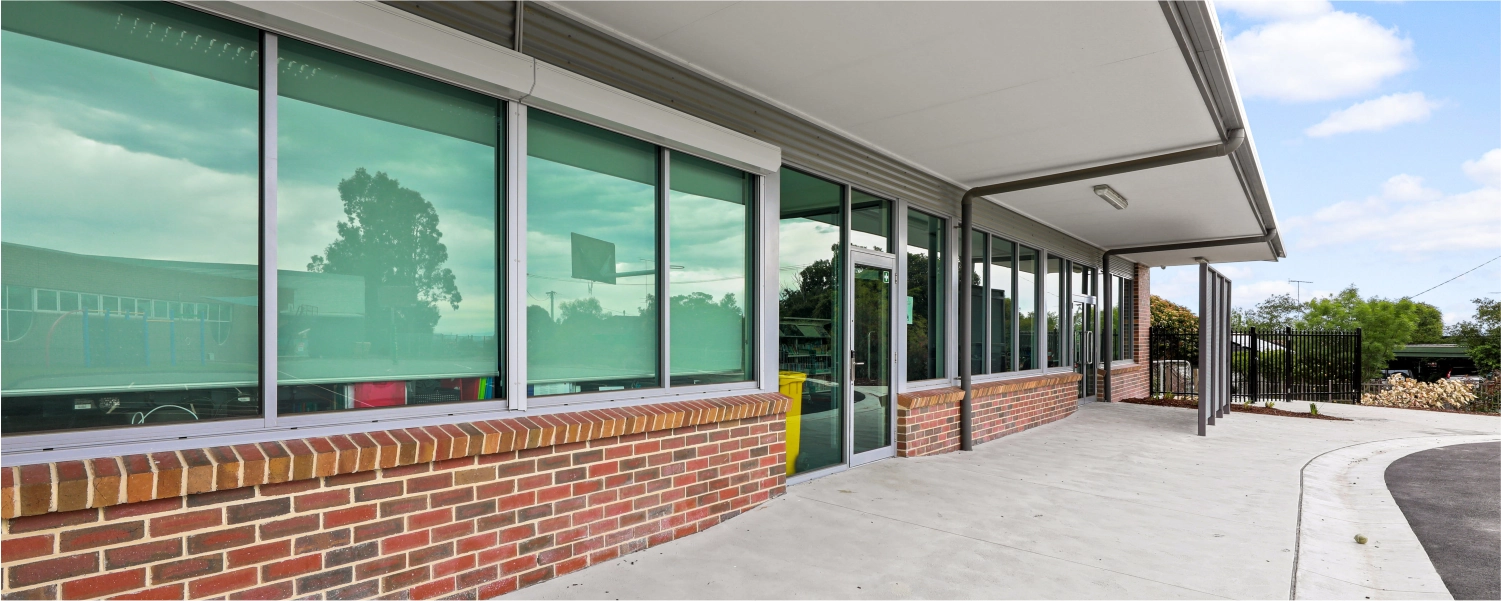
Investing in new infrastructure is a pivotal moment for any educational institution. Whether you are developing a state-of-the-art science wing or expanding primary school classrooms, the success of the project is measured by more than just the final aesthetic. In the world of construction for schools, success is defined by the ability to deliver high-quality learning spaces without compromising the daily operations of the campus or the safety of the students.
For school principals, board members, and business managers, the prospect of a major build can be daunting. The complexities of education construction require a partner who understands that a school is a living, fluid environment where curriculum delivery cannot simply pause for a concrete pour. This guide explores how to navigate educational construction by prioritising safety, efficiency, and long-term asset health.
Navigating the Complexities of Schools Construction in Live Environments
The most significant challenge in schools construction is the management of a live site. Unlike a traditional commercial construction project where a site is fenced off and isolated, educational construction often happens in the heart of an active campus. This proximity requires a specialised approach to site logistics and stakeholder communication.
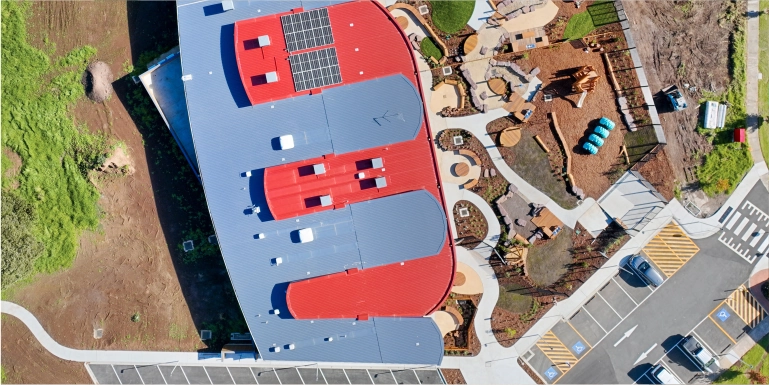
Strategic planning for construction for schools begins with a comprehensive site management plan that maps out student flow, emergency assembly points, and teacher access. A builder with experience in schools construction will treat the site boundaries as a hard border, ensuring that at no point do students or staff interact with construction machinery or personnel. At Kubale, we prioritise these physical separations to ensure that the primary focus of the school remains on education while we focus on the build.
The Silent Build: Managing Noise, Dust, and Traffic
The human side of educational construction involves managing the sensory impacts of a building site. High-decibel noise and excessive dust are more than just nuisances; they are significant disruptions to student concentration and wellbeing. Effective construction for schools involves a "silent build" philosophy where high-impact activities are scheduled around the school timetable.
- Scheduled Quiet Times: Coordinating with the school leadership to ensure that rock breaking or heavy drilling does not occur during exams or sensitive assembly periods.
- Traffic Management Protocols: Ensuring that heavy vehicle deliveries never coincide with the high-traffic windows of student drop-off and pick-up.
- Environmental Controls: Using advanced dust suppression techniques and high-quality hoarding to keep the learning environment clean and safe.
This level of operational continuity is what distinguishes a standard commercial construction firm from a specialist in construction for schools. It requires a transparent, "straight-talk" communication line between the project manager and the school principal to ensure everyone is aligned on the week's activities.
Modern Methods of Construction: Why Speed Matters in Educational Construction
One of the most effective ways to reduce disruption in schools construction is to minimise the time spent on-site. This is where modern methods of construction, such as pre-fabrication and modular components, become invaluable. By moving a significant portion of the build into a controlled factory environment, the on-site duration can be minimised.
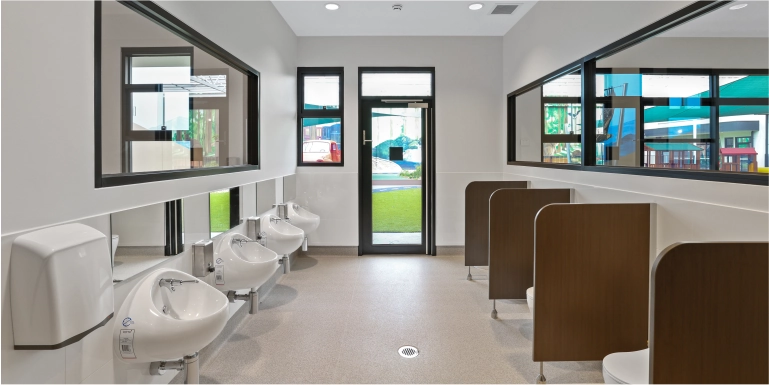
In the context of educational construction, building as much off-site as possible can significantly reduce the interruption to school activities. Major structural elements can be manufactured off-site and then craned into position during school holidays. This approach not only enhances safety by reducing the number of trades on campus but also ensures that the project can meet the strict "Day 1, Term 1" deadlines that are so critical in the education sector. When evaluating construction companies for education, ask about their experience building in live environments and their methods to minimise interruption.
Why Commercial Building Maintenance Starts During the Design Phase
The responsibility of a commercial construction partner should not end when the keys are handed over. A school building is a high-traffic environment that will be subjected to significant wear and tear over decades. Therefore, the long-term viability of the project depends on how commercial building maintenance is considered during the initial design and construction phase.
Smart educational construction focuses on "maintenance-ready" design. This involves selecting durable, locally sourced materials that can be easily repaired or replaced. It also means ensuring that service points, such as HVAC systems or electrical boards, are easily accessible without requiring specialised equipment or causing further disruption to the school.

By integrating commercial building maintenance into the early stages of commercial construction, schools can significantly reduce their total cost of ownership. A well-constructed facility should be as easy to maintain as it was to build, ensuring that school budgets can remain focused on student outcomes rather than unexpected repair bills.
The School Leader’s Checklist for Choosing Construction for Schools Partners
To ensure your project is a success, use these criteria to evaluate potential partners in the schools construction space. A builder should be able to provide clear, documented evidence of their performance in each of these areas.
- Live Site Safety Record: Does the builder have a zero-incident history on active educational sites? Ask for specific examples of how they managed student safety during a previous project.
- Disruption Minimisation Strategy: Can the builder provide a sample traffic management and noise mitigation plan tailored for a school environment?
- Understanding of Government Compliance: For public sector projects, does the builder have the necessary pre-qualifications and a deep understanding of Department of Education standards?
- Maintenance and Handover Quality: What is their process for ensuring that the school’s facility management team is fully trained and equipped to handle commercial building maintenance post-handover?
- Direct Senior Oversight: Will you have a direct line to a senior director who understands the strategic importance of the project, or will you be managed by a junior site supervisor?
Frequently Asked Questions About Construction for Schools
How do you manage construction noise in a school? Noise is managed through strict scheduling. We identify the school’s high-stakes periods, such as NAPLAN or VCE exams, and ensure no loud work occurs. We also use acoustic hoarding and modern, quieter machinery wherever possible.
What are the safety requirements for construction on school grounds? Safety requirements include a 100 percent physical separation between the construction site and the school community. All personnel must hold valid Working with Children Checks, and site-specific inductions are mandatory for every subcontractor.
How long does a typical school building project take? Timelines vary based on scale, but most educational construction projects are designed to fit within the windows of the academic year. By using Modern Methods of Construction, we can often complete major structural works during the summer break.
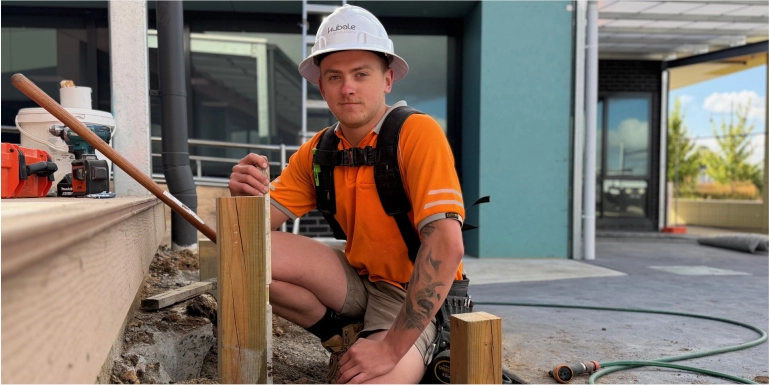
What is the benefit of modern methods of construction for schools? The primary benefit is speed and safety. By building components off-site, the time and number of trades on campus are minimised. This can lower the risk profile of the project and ensure a faster handover.
How do you plan for commercial building maintenance in new school facilities? We work with the school’s facility managers during the design phase to select materials that are high-durability and low-maintenance. We provide comprehensive digital manuals at handover to ensure the building stays in peak condition.
Partner with the Experts in Educational Construction
Building for the education sector requires a unique blend of technical expertise and human empathy. It is about creating spaces that inspire the next generation while respecting the work of the current one. At Kubale, our 26 years of experience across Victoria and Queensland have taught us that the best builds are those that happen seamlessly in the background.
From government-funded primary school upgrades to complex university infrastructure, we bring a level of professionalism and safety that is unmatched in the Tier 2 market. We believe in straight talk, transparent budgeting, and a commitment to zero-interruption delivery.
If you are planning a new project and need a partner who understands the nuances of construction for schools, let’s start a conversation. Our team is ready to help you build the future of your school without disrupting its present.
Contact Kubale today to discuss your vision for your next educational facility.