In today’s Australian property market, high-quality buildings are holding their value, while older or lower-grade buildings are facing longer vacancies and softer rents. Given a choice, tenants are choosing the better buildings, and the gap between older stock and what modern tenants expect can lead to financial loss for the building owner.
In this environment, construction is not just a cost, it’s a way to protect and grow your asset’s value. Strategic upgrades help reduce vacancy risk, attract stronger tenants, and improve long-term returns.
Kubale Constructions sees commercial upgrades as an investment decision. A refurbishment should do more than improve appearance, it should reduce risk, lower operating costs, and improve leasing outcomes. This guide explains how targeted upgrades can improve financial performance.

1. Tenant Expectations and Ageing Buildings
Tenant expectations have changed, and many corporate and government tenants now require:
- Flexible spaces for hybrid working
- Strong environmental performance
- Modern amenities
Buildings that don’t meet these expectations often compete only on price, which reduces rental income.
Older buildings don’t always need to be demolished. In many cases, they simply need smart upgrades.
Improvements can include:
- Refreshed ground-floor lobbies
- Modernised lifts
- Upgraded amenities
Evidence of these when leasing sends a clear message that the building is well managed. This helps older assets compete with newer developments and supports stronger rental outcomes.
2. End-of-Trip (EoT) Facilities: A Practical Return on Investment
End-of-Trip facilities are no longer optional for many tenants. Secure bike storage, charging stations, and quality shower facilities are often expected.
The return on these upgrades comes from:
Better tenant attraction and retention
Buildings with strong EoT facilities appeal to tenants who want to support staff wellbeing and sustainability.
Better use of space
Underused basement storage or parking areas can often be converted into valuable EoT facilities.
These upgrades require careful management of plumbing, drainage, and waterproofing, especially in existing basements. When delivered properly, they add real leasing value.

3. Sustainable Upgrades: Lower Costs, Higher Appeal
Sustainability directly affects operating costs. Inefficient systems increase outgoings, which raises the total occupancy cost for tenants.
A low NABERS rating can make a building harder to lease, particularly to government and large corporate tenants.
Targeted upgrades can significantly improve performance:
Mechanical services (HVAC)
- Upgrading control systems
- Installing variable speed drives
- Improving building management systems
These changes improve efficiency without always needing full plant replacement.
Lighting upgrades
- Replacing fluorescent lighting with LED
- Adding motion sensors
This reduces power use and maintenance costs.
Lower outgoings improve the building’s competitiveness and can support stronger rental levels.
4. Speculative Fitouts: Leasing Faster and Reducing Incentives
Many small and medium tenants prefer ready-to-use spaces. They may not have the time or budget to manage a full fitout.
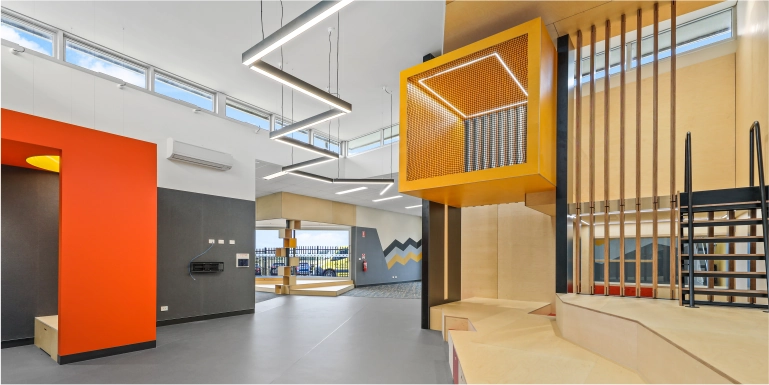
Speculative fitouts (spec suites) provide a complete, move-in-ready tenancy with meeting rooms, workstations, and breakout areas.
Benefits include:
- Faster leasing
- Reduced vacancy time
- Lower rent-free periods or fitout contributions
- Improved net effective rent
Well-designed spec suites are neutral enough to suit most tenants, while still feeling modern and tailored.
5. Speed and Reliable Delivery Matter
In commercial property, time equals income. Delays in construction extend vacancy periods and delay rental revenue. Careful programming, early ordering of long-lead items, and strong project management reduce this risk.
Most upgrade projects take place in occupied buildings. Managing noise, access, and staging works carefully ensures existing tenants are not disrupted and revenue is protected.
6. Conclusion
In today’s market, capital upgrades are one of the most effective ways to protect and improve asset value. Whether it’s a lobby upgrade, a mechanical services improvement, an End-of-Trip facility, or a speculative fitout, these are financial decisions as much as they are commercial constructions.
Kubale Constructions works closely with property owners and asset managers to deliver practical, commercially focused upgrades that reduce risk and improve long-term returns. If you are reviewing capital works across your portfolio, we can provide the technical advice and delivery capability to help reposition your asset for sustained performance.

7. Frequently Asked Questions
Can upgrades be completed while tenants remain in the building?
Yes. Working in occupied buildings is common. Disruptive works can be scheduled after hours or on weekends. Noise and dust are carefully managed to maintain a professional environment.
What is the benefit of a speculative fitout?
Spec suites reduce vacancy time and attract tenants who want immediate occupation. They can also reduce the need for large incentives, improving net returns.
Do internal refurbishments require a Development Application (DA)?
Often, internal works that do not change the building’s structure or use may not require a full DA. Requirements vary by council and planning controls, and advice should be sought early.
How does improving a NABERS rating affect value?
Higher NABERS ratings lower operating costs and increase appeal to institutional tenants and investors. This can improve net income and potentially increase the building’s valuation.
What is “Make Good”?
Make Good refers to a tenant’s obligation to return a space to its original condition at lease end. Efficient Make Good works help reduce downtime and prepare the space quickly for reletting or conversion into a spec suite.