For business owners, facility managers, and government bodies, embarking on an industrial construction project presents a unique set of challenges. Unlike standard commercial developments, where the primary focus is often on tenant aesthetics and human comfort, industrial facilities are driven by process, strict compliance, and heavy-duty performance.
Delivering a 21st-century manufacturing plant, a regional distribution centre, or critical civil infrastructure requires a level of technical rigour that goes far beyond erecting four walls and a roof. Bridging the gap between an operational master plan and a commissioned, compliant facility requires more than a standard commercial builder. It requires a strategic partner who understands that the physical structure is an integral part of your operational machinery.
Kubale Constructions specialises in industrial construction, with capacity to deliver highly technical builds across Victoria and Queensland. This guide outlines the critical differences between commercial and industrial builds, and why navigating the complexities of these projects requires a dedicated specialist.

The Crucial Difference: Commercial vs. Industrial Construction
The distinction between a standard commercial builder and an industrial construction company lies in the technical parameters and end-use of the build. Commercial spaces are built for people; industrial spaces are built for processes.
This fundamental difference changes some aspects of the project delivery. A typical commercial office or retail build might involve standard concrete slabs, typical mechanical services, and conventional lightweight framing. In contrast, complex industrial infrastructure demands specific engineering. These facilities often require heavy-duty foundations designed to withstand the dynamic loads of massive manufacturing machinery or the constant, concentrated weight of heavy forklift and related traffic.
Furthermore, industrial builds frequently involve integrating specialised plant and equipment directly into the structure. This could include heavy transport dock levellers, hydronic refrigerated lines laid within the concrete slabs for cold storage, or high-capacity, heavy-duty power reticulation. If the head contractor lacks the specific expertise to coordinate these complex integrations during the structural phase, the facility will fail to meet its operational requirements, leading to expensive retrofits and project delays.
Precision Planning and Heavy-Duty Environments
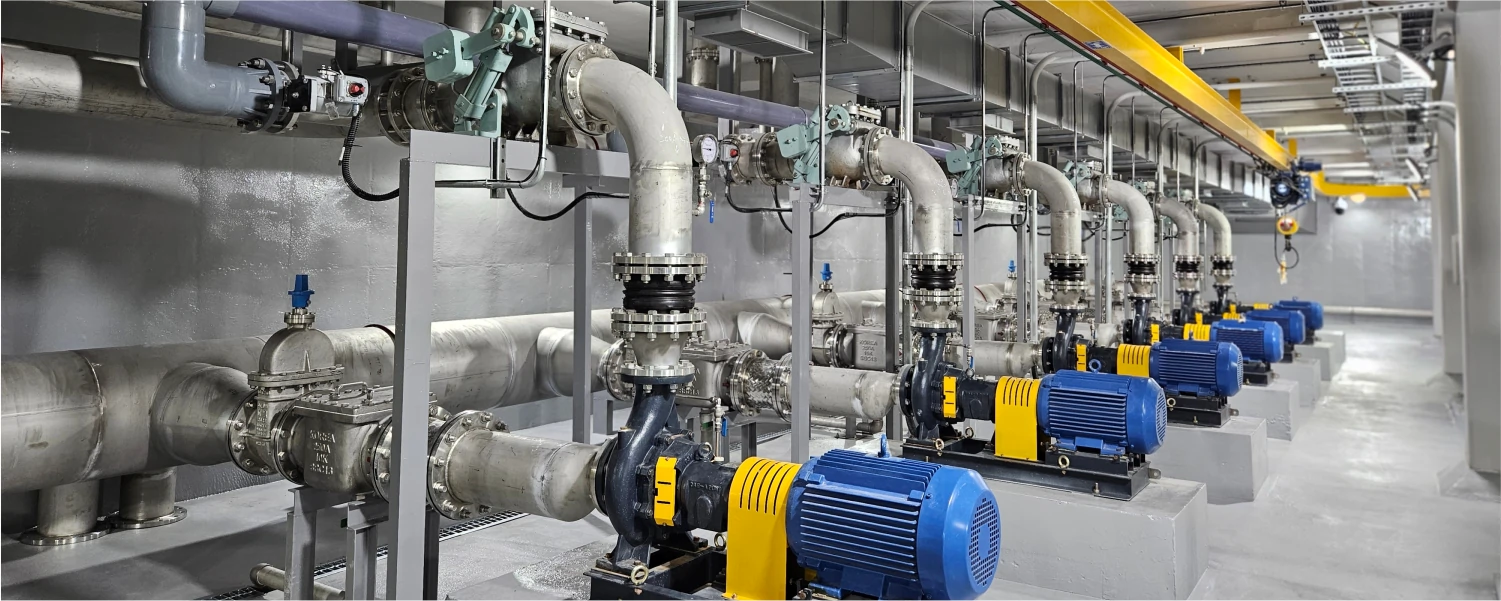
Nowhere is the need for specialised expertise more evident than in heavy civil and subterranean works. Consider the construction of large-scale water infrastructure, such as government or municipal pump stations.
These projects often require massive subterranean structural concrete works. Pouring hundreds of tonnes of concrete below ground level to exact engineering tolerances is not a task for a standard commercial contractor. It requires the expertise of an experienced industrial builder who can contribute to the design of complex formwork, manage the precise mix of concrete for specific environmental exposures, and coordinate the vast quantities of steel reinforcement required on-site.
In these heavy-duty environments, precision planning is not just about keeping the project programme on schedule; it is about mitigating catastrophic risk. A failure in the subterranean structural integrity of a pump station, or a chemical and dangerous goods storage facility, can lead to severe environmental consequences and massive financial liabilities. A specialised industrial builder identifies these risks during the tender and pre-construction phases, engineering solutions long before earthmoving equipment arrives on site.

Managing Risk in Live-Site Operations
In the industrial sector, downtime equals lost revenue. Many industrial builds, structural upgrades, or facility expansions must occur within or adjacent to an active, live-site environment. Whether it is a functioning dairy processing plant, an active emergency services vehicle depot, or a 24-hour logistics hub, your core operations simply cannot stop for construction.
Operating safely within a live industrial environment requires a methodical approach to logistics, safety, and risk management. A specialised head contractor operates with strict protocols to ensure complete separation between construction activities and your daily business operations.
This involves rigorous traffic management to keep heavy material deliveries and crane lifts entirely isolated from your operational fleet. It means scheduling highly disruptive activities, such as core drilling, major civil works, or main service shut-downs, outside of your peak operational hours or during planned maintenance windows. It also requires the installation of robust, compliant solid hoardings and environmental controls to prevent dust, debris, or vibration from contaminating your production lines.
Choosing the Right Partner: What to Look For
When facility managers or procurement officers begin their search for a contractor, the internet is usually the first stop. Whether you carefully search for an "industrial construction company" or hurriedly type "industrial construction company" into your browser, the goal remains the same: finding a contractor capable of delivering a highly complex project to Practical Completion on time, on budget, and without jeopardising safety.
To filter generalist builders from true industrial specialists, look for the following indicators:
- Direct Civil Capability: Do they have a proven track record of managing significant early works and civil components, including demolition, contaminated soil remediation, heavy-duty drainage, asphalt, and complex concrete structures?
- Sector-Specific Portfolio: Look for experience relevant to your industry. A builder who has successfully delivered food-grade cold storage understands a different set of compliance standards than one who builds aviation hangars or secure government facilities.
- Flexible Delivery Models: A true partner adapts to your procurement needs. Look for a company that offers full Design and Construct (D&C) services, allowing for early contractor involvement to value-manage the design for buildability and cost-efficiency.
- Financial Transparency: Industrial projects involve significant capital. Your builder should provide transparent, open-book project management and early procurement of long-lead items to protect you from supply chain volatility and budget blowouts.

In Conclusion
An industrial facility is a massive capital investment that underpins the operational success of your business. The complexities of heavy dynamic loads, specialised plant integration, and strict regulatory compliance leave no room for error or amateur project management.
Kubale Constructions brings decades of specific industrial expertise to every project. We understand that we are not just building a structure; we are building a critical component of your operational capacity. We balance the brutal realities of heavy construction with the precision required for complex engineering.
If you are planning an industrial expansion, facility upgrade, or greenfield infrastructure project, contact Kubale Constructions. We provide the technical advice, transparency, and delivery capability to ensure your project performs exactly as designed.
Frequently Asked Questions
What is the advantage of early contractor involvement in industrial builds?
Early contractor involvement allows us to review the architectural and engineering designs before construction begins. We identify potential buildability issues, value-manage materials to reduce costs, and secure long-lead mechanical or structural items early, protecting your project from timeline blowouts and supply chain delays.
Can you manage an expansion while our manufacturing facility remains operational?
Yes. Managing construction on live sites is a core capability of ours. We implement strict staging programmes, out-of-hours scheduling for high-impact works, and robust physical barriers to ensure your production lines and daily operations are never compromised by our presence.
How do you handle complex environmental and safety compliance?
Industrial builds often involve dangerous goods storage, underground oil separators, and complex site drainage. We work strictly to the National Construction Code (NCC) and specific environmental guidelines. We manage the relevant permits and install specialised containment infrastructure to ensure your site achieves total compliance.
How do you manage the civil and earthworks directly?
Yes. Unlike some commercial builders who subcontract both the delivery and management of all early works, we have extensive experience managing significant civil components. From bulk earthworks and soil remediation, to complex subterranean concrete slabs and hydraulics, we control the critical path from day one.
What contract delivery models do you offer for industrial projects?
We tailor our delivery model to your specific commercial requirements. We offer traditional lump-sum contract builds, comprehensive Design and Construct (D&C) packages, and Construction Management agreements, ensuring full financial transparency and alignment with your capital expenditure strategy.